How do wire transfers work?
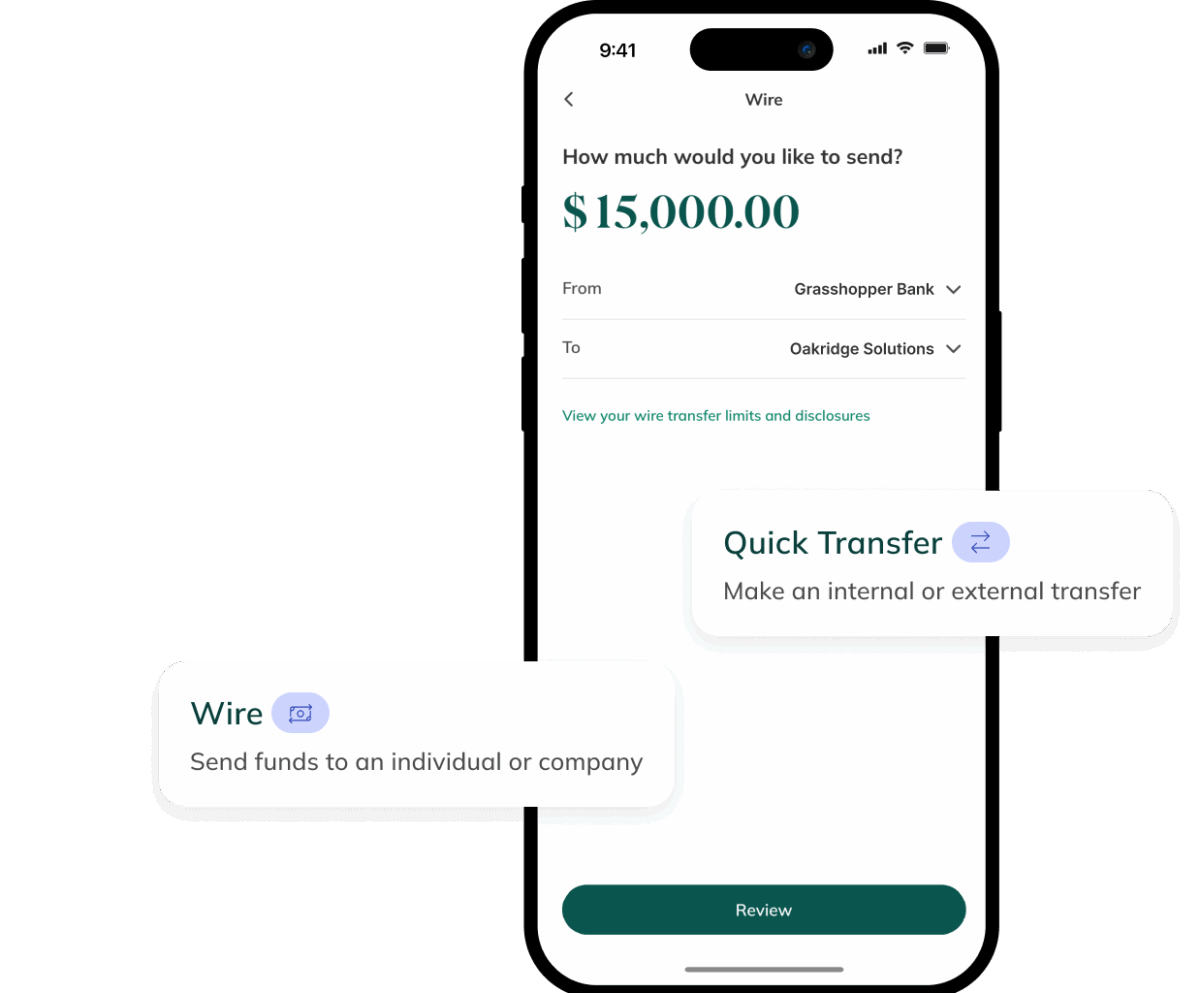
Bank wires are sent electronically through a wire network. In the U.S., wire transfers are managed by the Federal Reserve through FedWire.
To initiate a wire transfer, you’ll need to give some details to the bank, including:
- Your bank account number, ACH and ABA routing number
- The full name of your wire’s recipient
- The name of the recipient’s bank and the bank’s address
- The recipient’s address
- The amount of money being transferred
Once the information is provided, the bank will initiate the transaction, sending the wire transfer details to your recipient’s financial institution. That financial institution will then review the transaction details and see that the allotted funds are transferred.
How are wire transfers different from ACH payments?
ACH payments are another type of electronic fund transfer (EFT). While wire transfers are sent directly from one financial institution to another, an ACH payment must first pass through a clearing house network first before being sent to the receiving bank account. Because of this extra step, ACH payments often have slower processing speeds than wire transfers. For more information regarding ACH payments, check out our previous blog on the topic.