As business payments become increasingly digital, the way companies manage spending has evolved. Teams are more distributed, purchases happen online more often than in person, and financial oversight must scale without slowing operations. In this environment, traditional payment tools—especially physical debit cards—can introduce friction, administrative overhead, and unnecessary risk. Virtual debit cards are designed to address these challenges by combining speed and security with control.
What Is a Virtual Debit Card?
To get a sense of how virtual debit cards fit into day-to-day operations, it’s helpful to start with what they actually are—and how they differ from traditional payment tools.
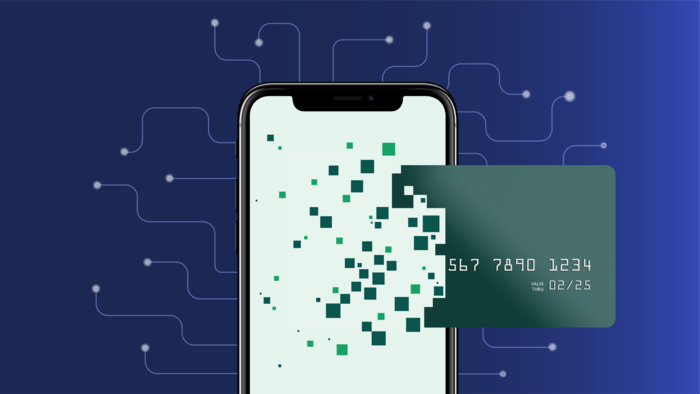
A virtual debit card functions like a physical debit card, but it exists entirely in digital form. It is directly linked to a checking account and comes with its own card number, expiration date, and CVV. Virtual debit cards are typically accessed and managed through an online or mobile banking platform and can be stored in a digital wallet such as Apple Pay or Google Pay.
Because they are digital, they can be issued instantly, eliminating the need to wait for a physical card to arrive and reducing the risks associated with mailed cards. Many virtual debit cards can also be customized with spending limits or restricted to specific vendors, giving businesses even greater control over expenses. They are especially useful for onboarding new employees, setting up vendor payments, or early-stage growth when distributed teams need secure access to funds quickly.
How Do Virtual Debit Cards Work?
Once issued, virtual debit cards operate within the same payment networks as physical debit cards, but the way they’re accessed and used is more flexible. To complete a transaction, you use the virtual card’s unique credentials instead of the numbers printed on a physical card. These credentials—card number, expiration date, and CVV—are generated digitally, providing full payment capabilities without ever swiping or handling a physical card.
Even though virtual debit cards don’t have a physical form, they can still be used in many of the same places and in the same ways as a traditional card, including:
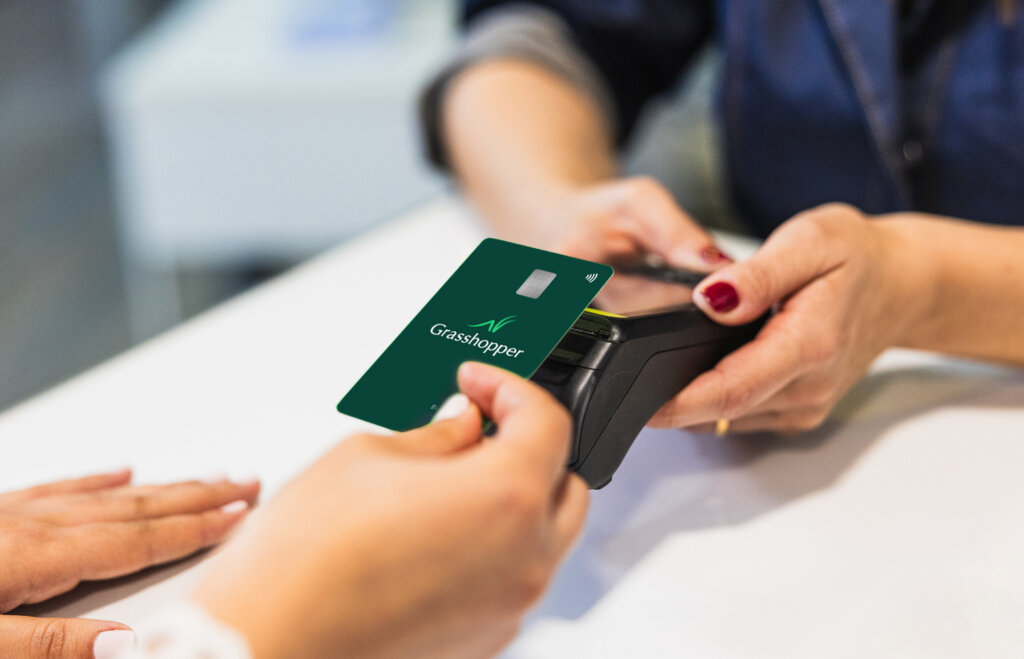
- In-store: Make contactless payments by adding the virtual debit card to a digital wallet.
- Online: Enter the card details at checkout for ecommerce purchases, subscriptions, vendor payments, and more.
While online acceptance is widespread, some merchants—particularly smaller or older retailers—may not yet support mobile or contactless payments due to outdated point-of-sale systems or limited technology adoption. In these cases, a virtual debit card can still be used by manually entering the card details at checkout.
Just like a physical debit card, transactions are securely processed through established payment networks, such as Visa and Mastercard, with funds debited from your available account balance in real time.
Security Advantages of a Virtual Debit Card
Security is often one of the first reasons businesses adopt virtual debit cards, but the benefits go beyond simply “being digital.” Because virtual debit cards exist only online and have unique credentials, they offer built-in protections that physical cards can’t:
- They cannot be lost or stolen.
- Temporary or single-use cards can be issued.
- Cards can be restricted to a single person, vendor or transaction.
- Spending controls can be set by merchant, dollar amount, frequency, or expiration date.
- Cards can be deactivated instantly.
With virtual debit cards, businesses gain more than just a digital alternative—they gain control, flexibility, and peace of mind. By issuing unique, online-only credentials and customizable spending limits, virtual cards reduce the risk of fraud, limit exposure across vendors and employees, and allow instant deactivation when needed. In other words, they give businesses a safer, smarter way to manage payments without the vulnerabilities of traditional debit cards.
Common Misconceptions About Virtual Debit Cards
Despite their growing popularity, many businesses still underestimate the value of virtual debit cards. From concerns about acceptance to worries about complexity, below are some of the most common misconceptions that hold businesses back and the truth behind them.
- “They aren’t widely accepted.” Most online merchants and many in-store retailers accept digital or contactless payments.
- “They’re only for tech startups.” Businesses across industries and of all sizes use them.
- “Only one card can be issued per account.” Businesses can typically issue multiple virtual cards for a variety of use cases, each with its own controls.
- “They’re harder to manage.” In practice, they’re often easier to control than physical cards.
- “They’re expensive or add hidden fees.” Many virtual debit card programs are included at no extra cost, with no additional transaction fees.
- “They replace physical cards entirely.” Physical still serve specific use cases.
In reality, virtual debit cards are widely accepted, easy to control, and flexible enough to support a variety of business needs without replacing physical cards entirely. The best part? Businesses can use them however they choose, making them a versatile tool for any operation.
What to Remember About Virtual Debit Cards
Virtual debit cards are no longer just a convenience—they are a foundational tool for modern business banking. When used strategically alongside other payment methods, virtual debit cards do more than simplify transactions. They help businesses streamline spending, gain real-time oversight, and empower teams with the flexibility to act when opportunity strikes.
Don’t let outdated payment methods slow you down. Join Grasshopper today and unlock faster, smarter spending for your business!