Which Bank Is Right for Your LLC
No single bank is the right fit for every LLC. The best choice depends on how your business operates, where it is in its growth stage, and what you need from a banking partner day-to-day.
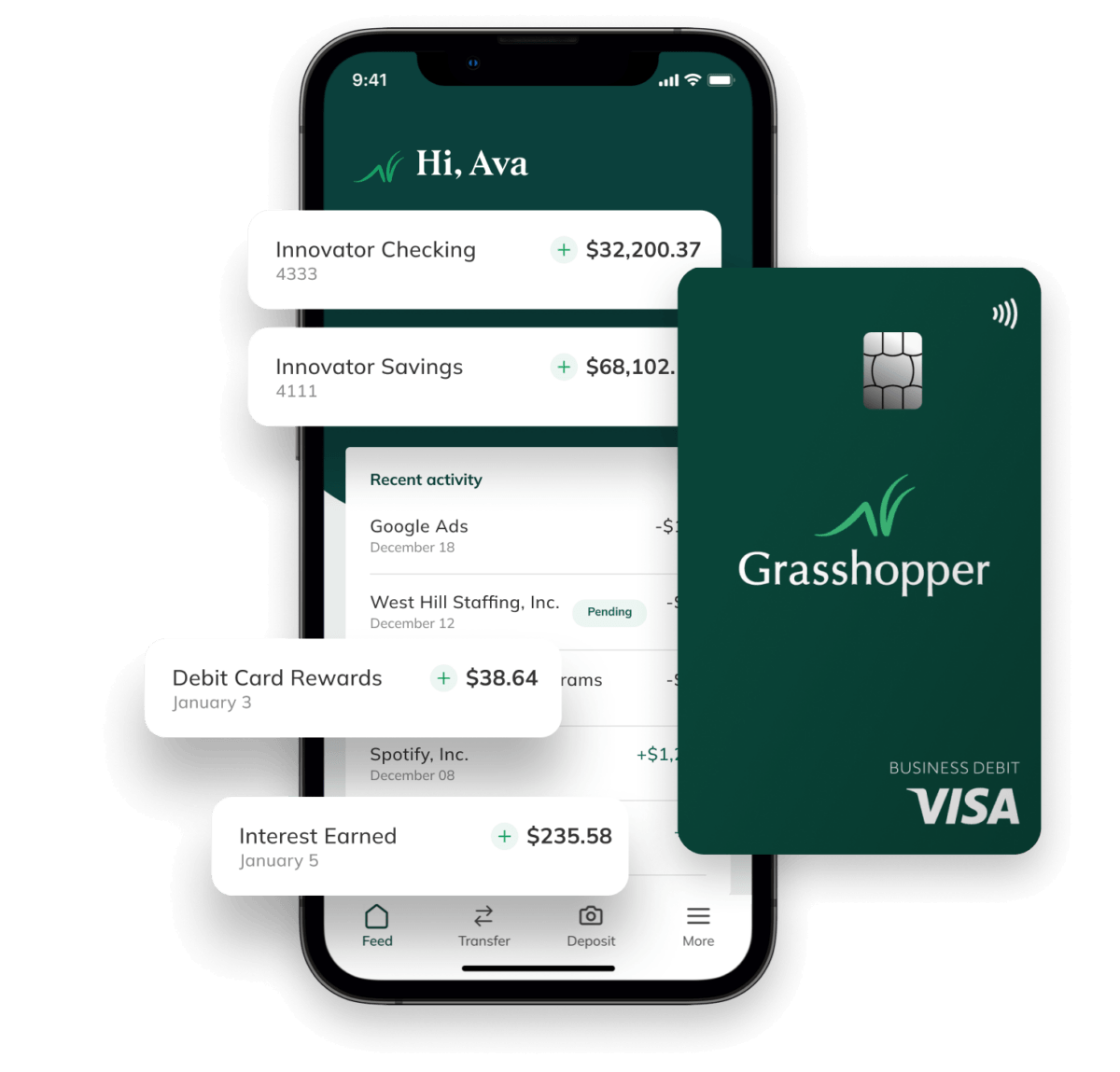
If your LLC operates primarily online, wants to avoid fees, and values modern tooling and integrations, a digital bank like Grasshopper offers advantages that traditional banks simply can’t match on cost, technology, security or flexibility. If your business handles significant cash volume or requires regular in-person banking interactions, a traditional bank with a strong branch network—Chase, Bank of America, or Wells Fargo—may be the better operational fit, even with the associated fee structures.
For many LLCs, the ideal approach is pragmatic: choose the account that best fits your current operating model, evaluate how well it serves you as the business grows, and don’t hesitate to switch when the fit no longer makes sense. Banking is infrastructure—it should work for your business, not the other way around. As your LLC evolves, reassessing your banking setup ensures your financial stack keeps pace with your growth.
Common Mistakes LLCs Make When Choosing a Bank
Choosing a business bank account is a decision many LLC owners rush through or treat as an afterthought. The result is often an account that creates friction rather than reducing it — one that carries unexpected fees, lacks the integrations your workflow depends on, or simply stops working for you as your business grows. These are the most common mistakes to avoid.
- Defaulting to their personal bank: Familiarity is not the same as fit. The bank that works for your personal finances may not offer the features, fee structure, or tools your LLC needs.
- Choosing based on sign-up promotions: A one-time bonus doesn’t offset ongoing fees or poor functionality. Evaluate accounts on their long-term cost and fit, not their introductory offer.
- Not reading the full fee schedule: Many accounts that appear affordable at first glance carry charges for ACH or wire transfers, excess transactions, or cash deposits that accumulate significantly over time. Review the complete fee schedule before opening any account.
- Ignoring how the account scales: An account that works well at launch may become limiting as transaction volume grows, team size increases, or lending needs emerge. Think about where your LLC will be in 12 to 24 months, not just today.
- Overlooking integration compatibility: Confirm the account connects with your accounting software, payroll platform, and payment processors before opening—not after. Manual data entry is time-consuming, introduces errors, and scales poorly as transaction volume grows.
- Not verifying FDIC insurance and deposit structure: Confirm that any bank you’re considering is FDIC-insured and that your deposits are held directly by the institution—not through a third-party partner arrangement that adds complexity to your protections.
The Bottom Line
Choosing the best bank for your LLC isn’t just an administrative task—it’s a foundational financial decision that affects your legal protection, operational efficiency, and access to capital as your business grows. Take the time to evaluate your options against how your business actually operates, not just which is most convenient or name is most recognizable.
The right banking partner reduces friction, protects your funds, and gives you the tools and support to operate your business with confidence from day one. Whether you’re just forming your LLC or reassessing a banking relationship that’s no longer serving you, the options above give you a clear starting point for making the right choice.
Ready to open an LLC bank account built for the way modern businesses operate? Take the leap with Grasshopper and open an Innovator Business Checking account to experience the difference the right banking partner makes.