Skip To Content

What Is the SBA 8(a) Program & Who Qualifies — and When a 7(a) Loan Is the Better Fit

Learn the key differences between the SBA 8(a) and 7(a) programs — their benefits, eligibility requirements, and how partnering with a Preferred Lender like Grasshopper can streamline the process for faster approvals and funding.

Polina Furman Content Marketing Intern
December 8, 2025

Navigating SBA programs can feel complex, especially when you’re trying to determine which one truly fits your business needs. The U.S. Small Business Administration (SBA) offers several programs to help small businesses grow, most notably, the SBA 8(a) Business Development Program and the SBA 7(a) Loan Program.

While both support small businesses, they do so in very different ways. Understanding how they compare, and how a Preferred Lenders like Grasshopper simplify the process, can help you make the right financing decision.

SBA 8(a) Program: Pathway to Federal Contracting

What Is the SBA 8(a) Program?

The SBA 8(a) Business Development Program is a certification and development initiative for small businesses owned by socially and economically disadvantaged individuals. It’s not a loan; it’s a gateway to exclusive federal contracting opportunities and hands-on mentorship from industry leaders.

For small businesses, breaking into federal contracting can be a game-changer. The U.S. government is the world’s largest buyer of goods and services, awarding hundreds of billions of dollars in contracts each year, and a significant portion is set aside specifically for small and disadvantaged businesses. These opportunities provide more than just revenue; they offer stability, long-term partnerships, and a pathway to scale. By earning an 8(a) certification, small businesses can position themselves to compete for—and win—contracts that drive sustainable growth and establish credibility in new markets.

Key Benefits of SBA 8(a) Certification:

  • Access to federal contracts reserved for SBA 8(a) participants
  • One-on-one mentorship and business development resources
  • Networking with federal agencies and prime contractors
  • Nine-year program duration: four years developmental + five years transitional

The Path to SBA 8(a) Certification

While the benefits of SBA 8(a) certification are significant, achieving them requires meeting high standards. The SBA 8(a) certification process is rigorous, requiring applicants to demonstrate ownership, financial eligibility, and operational readiness through detailed documentation. The SBA’s review ensures that only capable, compliant, and resilient businesses are approved, making certification both a challenge and a powerful credential that signals excellence and readiness to compete at the federal level.

SBA 8(a) Program Eligibility: Who Can Apply?

The SBA 8(a) Program is intended for small businesses owned by individuals who have faced social or economic disadvantages, which means not every small business will qualify. But for those that do, the benefits can be transformative. To ensure the program benefits those it was created to help, the SBA sets specific eligibility requirements that an applicant must meet:

  • 51% ownership and control by U.S. citizens who are socially and economically disadvantaged
  • Small business status under SBA size standards, which are based on industry-specific limits for average annual revenue or number of employees.
  • Personal net worth below $850,000, excluding home and business equity
  • Adjusted gross income below $400,000 and assets under $6.5 million
  • Demonstrated good character and potential for success

Socially disadvantaged groups recognized by the SBA include Black Americans, Hispanic Americans, Native Americans, Asian Pacific Americans, and Subcontinent Asian Americans. Others may qualify by proving disadvantage on a case-by-case basis.

SBA 7(a) Loan Program: Flexible Funding for Growth

What Is the SBA 7(a) Loan?

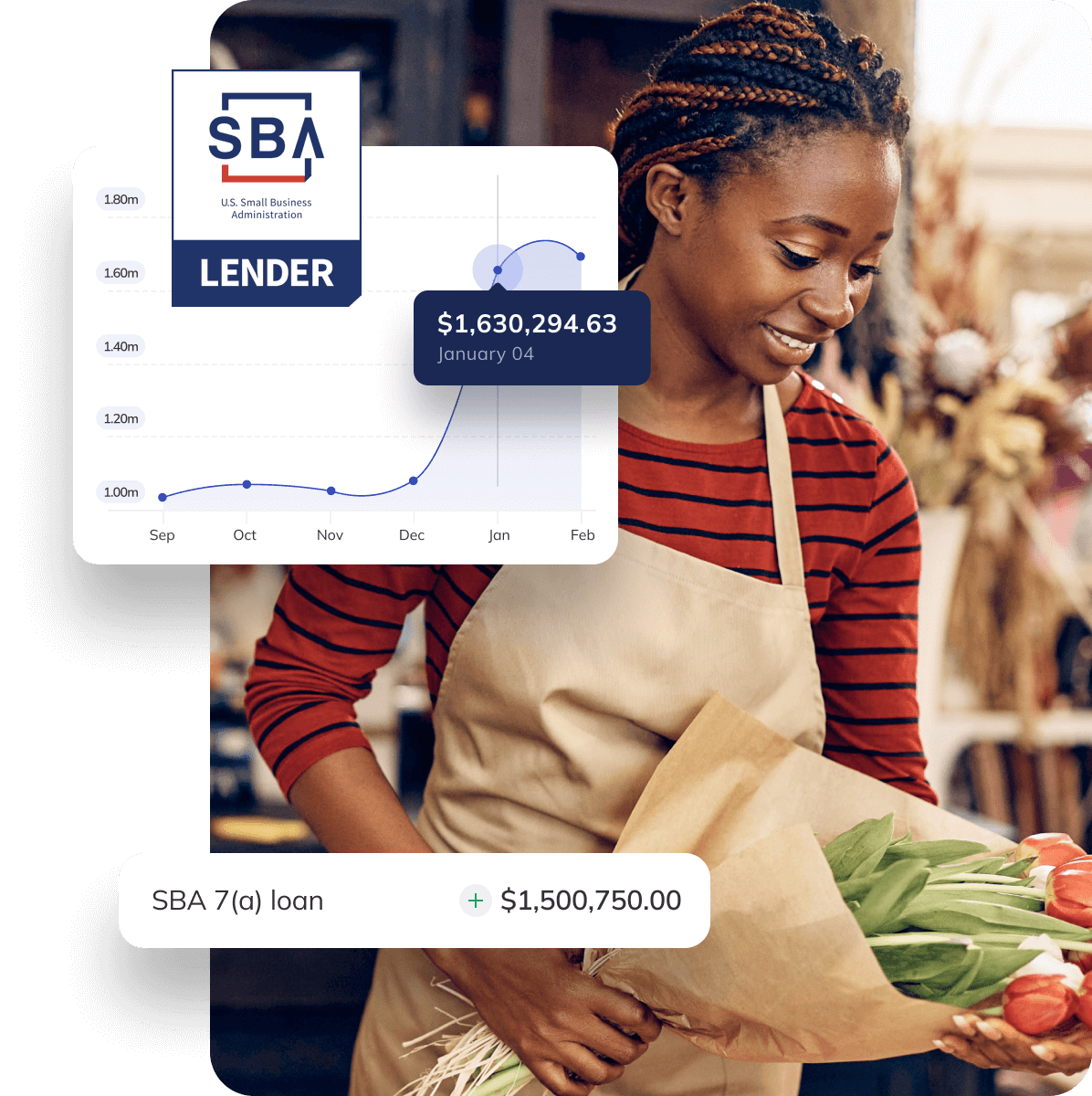
The SBA 7(a) Loan Program is the SBA’s flagship financing solution designed for small businesses that need capital to start, expand, or strengthen operations. It’s one of the most versatile options available, offering funding for nearly any business purpose and making it easier for borrowers to qualify thanks to an SBA guarantee. 

Because the SBA guarantees a portion of each loan, lenders take on less risk, which helps more small businesses secure financing with flexible terms and lower down payments. This guarantee means that the government promises to cover a portion of the loan if the business can not, making it easier for lenders to offer more favorable terms to borrowers.

How It Works:

  • Small businesses can borrow up to $350,000 through the SBA 7(a) Small Loan Program, while the standard SBA 7(a) Loan Program offers financing up to $5 million.
  • Offers competitive interest rates governed by SBA guidelines, ensuring they remain within allowable limits, and are often lower than traditional term loans. 
  • Down payments can be as low as 5%, with higher requirements for certain acquisitions or startups.
  • Repayment terms are flexible, allowing up to 25 years for commercial real estate and up to 10 years for working capital, equipment, and business acquisitions.
  • Funds can be used for nearly any business purpose, including working capital, equipment or real estate purchase, expansion, debt refinance, or business acquisition.
  • There is no prepayment penalty for terms under 15 years, giving borrowers added flexibility.
  • The SBA guarantees up to 85% for loans under $150,000 and up to 75% for loans above that threshold, increasing access to capital and making financing more attainable for small businesses. 

Understanding SBA 7(a) Interest Rates

Before exploring eligibility, loan amounts, and terms, it’s important to understand how interest rates work within the SBA 7(a) program. The SBA sets maximum allowable rates that lenders can charge, and these caps vary depending on the size of the loan. While many lenders price below these ceilings based on a borrower’s credit profile, the SBA limits give small business owners and founders a transparent sense of what the cost of capital may look like. Below is a breakdown of the current maximum variable interest rates permitted under the program.


Loan AmountMaximum Allowed Rate
Up to $50,000Prime + 6.5%
$50,001 to $250,000Prime + 6.0%
$250,001 to $350,000Prime + 4.5%
Over $350,000Prime + 3.0%

These caps represent the maximum variable interest rates for SBA 7(a) loans. Because they are tied to benchmark rates like the Prime Rate, actual rates may fluctuate with market conditions.

By setting clear maximum rates and tying them to widely recognized benchmarks, the SBA 7(a) program offers a predictable and often more affordable path for small businesses that might face higher rates or stricter requirements with conventional lenders, giving small businesses a clear, reliable option for financing their growth and operational needs.

SBA 7(a) Program Eligibility: Who Can Apply?

While the SBA 7(a) Program is more flexible than certification-based programs like the SBA 8(a), it still has clear eligibility criteria to ensure that funding goes to established, creditworthy small businesses with a demonstrated need for capital. Before applying, it’s helpful for founders and business owners to understand the core standards the SBA and lenders use to evaluate applications: 

  • Small Business Status Under SBA Size Standards: Businesses must qualify as “small” according to SBA size guidelines, which vary by industry and are based on average annual revenue or number of employees.
  • Legally Operating, For-Profit Business Located in the United States: The SBA 7(a) Program is only available to for-profit businesses that are registered, active, and legally operating within the U.S. or its territories.
  • Demonstrated Need for Funding: Applicants must show that the loan serves a legitimate business purpose, such as working capital, equipment purchases, real estate acquisition, or debt refinancing.
  • Eligible Industry & Business Activities: Companies must operate in SBA-permitted industries, excluding activities such as gambling, lending, real-estate speculation, and pyramid-based models.
  • No Delinquent Federal Debt: Businesses and owners cannot be past due on federal obligations, including student loans, tax debt, or previous SBA loans.
  • Ability to Repay the Loan: Lenders assess financials, cash flow projections, credit history, and overall financial health of a business to confirm it can reliably meet its loan obligations.
  • Equity Investment & Adequate Owner Contribution: Business owners should demonstrate they have invested time or capital into the business, reflecting commitment and the capacity to support ongoing operations.
  • Personal Guarantees for 20%+ Owners: Any individual owning 20% or more of the business may be required to provide a personal guarantee, aligning ownership with repayment responsibility.

Understanding eligibility helps founders enter the loan process prepared and confident. With Grasshopper, an SBA Preferred Lender, applicants receive guidance on documentation, eligibility, and structuring from the start, helping to reduce delays, increase odds of approval, and set realistic expectations. Whether your business qualifies today, tomorrow, or in the future, our SBA Lending team works with you to keep your financing goals on track and help your business reach its full potential.

SBA 8(a) vs. SBA 7(a): At a Glance

FeatureSBA 8(a) ProgramSBA 7(a) Loan Program
Program TypeBusiness development & certificationGovernment-backed business loan
Primary PurposeFederal contracting access & mentorshipFlexible financing for growth
EligibilitySocially & economically disadvantaged businessesMost U.S.-based small businesses
Duration9 years (4 developmental + 5 transitional)Up to 25 years (loan term dependent)
Funding SourceFederal contracts & business developmentBank-issued, SBA-guaranteed loans
Grasshopper Bank OfferingInformational onlyDirect lending as an SBA Preferred Lender

Pros and Cons: Which Is Right for You?

SBA 8(a) Program

Pros:

  • Exclusive access to federal contract and set-aside opportunities
  • Sole-source contracts can accelerate revenue growth
  • Business mentorship and development support from industry experts
  • Enhances credibility in government markets
  • Structured program for long-term development

Cons:

  • Lengthy certification and eligibility process
  • Does not provide direct funding or capital
  • Strict eligibility requirements may exclude businesses
  • Compliance and reporting requirements throughout the program

SBA 7(a) Loan

Pros:

  • Broad eligibility for most small businesses
  • Flexible use of funds from working capital and equipment to real estate or expansion
  • Competitive interest rates backed by SBA guarantee
  • Longer repayment terms than most conventional loans (up to 25 years)
  • Faster approvals with Preferred Lenders like Grasshopper Bank

Cons:

  • Requires detailed documentation and credit review
  • Collateral may be required in certain circumstances, typically when business assets do not fully secure the loan. 
  • Approval is not guaranteed and subject to lender and SBA evaluation

Why Work With a Preferred SBA Lender 

SBA lending offers some of the most powerful funding options available to small businesses, but the process can be confusing without the right partner. Preferred Lenders — like Grasshopper — have delegated authority from the SBA to make lending decisions in-house, rather than waiting for the SBA to review. This designation can significantly reduce the timeline from approval to funding by allowing the lender to evaluate, approve, and disburse loans directly, reducing administrative delays and speeding access to capital for qualified small businesses.

Preferred Lenders also have specialized expertise, helping businesses structure applications correctly and provide guidance on meeting eligibility criteria. This expertise can help reduce errors, avoid delays, and increase the likelihood of approval, making it easier for small business owners to access the funding they need to start, expand, or strengthen operations.

What You Can Expect:

  • Clear guidance on eligibility and documentation requirements to avoid delays
  • Personalized loan structuring to align repayment terms and amounts with your business needs
  • Transparent communication at every stage, so you always know where your application stands
  • Confidence in compliance, ensuring your application meets SBA rules and requirements
  • Faster decisions on eligible loans, with many approvals handled in-house without full SBA review
  • Support beyond funding, including advice for future financing or business growth opportunities.
  • Digital-first processes for documentation, status tracking, and funding updates

With the right SBA program and a trusted partner, small businesses don’t just access capital, they unlock the resources, guidance, and opportunities that can turn growth ambitions into reality. Whether pursuing federal contracts through the 8(a) Business Development Program or fueling expansion with a 7(a) loan, these tools empower founders to take confident, strategic steps toward building stronger, more resilient businesses.

Find Your Path to SBA Success

Both SBA programs share the same mission: helping small businesses thrive. The 8(a) Business Development Program opens the door to government contracting, while the 7(a) Loan Program provides the capital to power growth. If your business doesn’t qualify for the 8(a) certification, the SBA 7(a) Loan, especially through a Preferred Lender like Grasshopper, may be your best path forward.

Our SBA Lending team has helped hundreds of small business owners and founders nationwide secure capital quickly and confidently. By partnering with a knowledgeable lender, you can navigate the complexities with clarity and focus on what matters most: driving innovation, creating jobs, and shaping the future of your business.

Your business deserves a lender that moves as fast as you do. Join thousands of small business owners who are turning growth plans into reality at Grasshopper!

Polina Furman

Polina Furman is a content and marketing strategist with experience across fintech, venture capital, and consumer packaged goods (CPG). At Grasshopper Bank, she supports the marketing team by analyzing competitive trends, refining social strategy, and creating high-impact content that strengthens the brand’s digital presence. Previously, she worked with SPIN Labs, a media and technology venture incubator, supporting early-stage startups through business development and investor outreach, and at HIRASKIN™, where she led B2B sales and marketing initiatives for luxury spa and hospitality clients.

We don't support Internet Explorer

Please use Chrome, Safari, Firefox, or Edge to view this site.

Privacy Overview

This website uses cookies so that we can provide you with the best user experience possible. Cookie information is stored in your browser and performs functions such as recognising you when you return to our website and helping our team to understand which sections of the website you find most interesting and useful.