Skip To Content

What Really Happens After You Submit a  Mobile Check Deposit

Mobile check deposits have become routine for businesses, yet few understand what actually happens after you hit submit. With just a few taps, you can deposit a check from anywhere—no branch visit required. But while the process feels instant, the movement of funds behind the scenes follows a multi-step verification and clearing process. Understanding how mobile check deposits work helps business owners set realistic expectations, manage cash flow more effectively, and avoid surprises when funds aren’t available as quickly as expected.

Polina Furman Content Marketing Intern
February 2, 2026

Before diving into timing, limits, or availability, it’s important to start with a clear definition of what a mobile check deposit actually is and how it compares to a traditional check deposit.

What Is a Mobile Check Deposit?

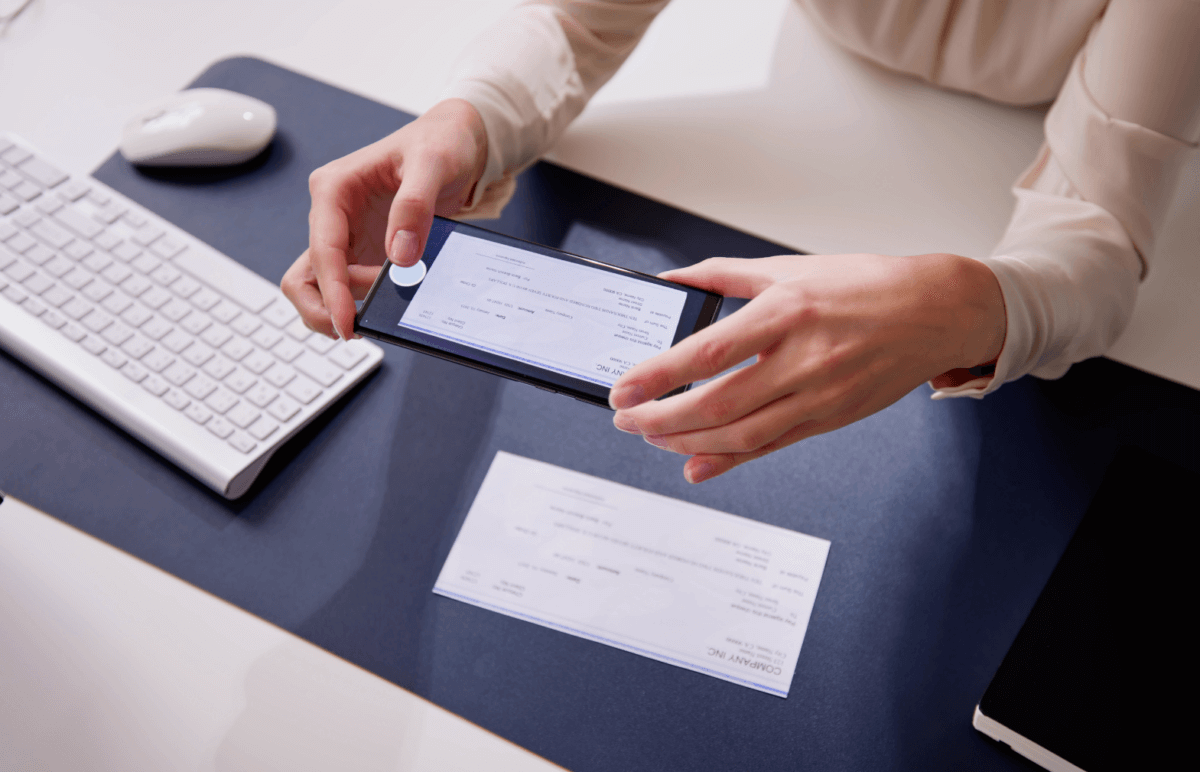
A mobile check deposit allows you to deposit a paper check using your bank’s mobile app by submitting photos of the front and back of the check. This process is commonly referred to as remote deposit capture (RDC).

Although the submission happens digitally, the check is processed through the same traditional banking system as an in-person paper check deposit. Mobile check deposit just replaces the physical exchange of a paper check with a secure digital image, but verification, clearing, and settlement must still occur before funds are released. Because of this, mobile check deposit functions as a faster way to initiate the process—not a way to bypass it.

How Mobile Check Deposits are Processed

Once you know what a mobile check deposit is, the key is knowing what actually happens after you tap “submit.” The process that follows determines whether funds are available quickly or require additional review. When a check is submitted through a mobile app, it enters a multi-stage workflow designed to validate the deposit and manage risk for both the bank and the account holder.

  1. The process begins with endorsement. The back of the check  must be signed by the account holder or payee, and banks may require you to check a box or add additional language such as “For mobile deposit only.” This confirms that the account holder approves the transfer of funds and authorizes the bank to process the check, while ensuring it is being deposited through a single channel and preventing duplicate submissions.
  2. Automated validations take place. Behind the scenes, systems review the deposit for several factors, including:
  • Image clarity and completeness
  • Accuracy of the entered amount
  • Duplicate deposit detection
  • Early fraud indicators
  1. The deposit is reviewed, accepted or rejected. Following this review, the deposit is either accepted automatically or routed for manual verification. High-dollar deposits, deposits into newer accounts with limited transaction history, or checks from unfamiliar sources may require additional review before moving forward.
  2. Clearing and settlement begin. Once accepted, the bank initiates the settlement  process with the issuing bank, where the issuing bank verifies the check and approves the payment.
  3. Funds are released. After the check has been verified by the issuing bank, the funds are released and made available in your account. Timing may vary depending on the bank, the deposit amount, and your account or transaction history, so some deposits may be available immediately while others are held in accordance with the bank’s funds availability policy.

Pro Tip: A deposit can appear in your account before funds are available. “Posted” means the deposit has been recorded. “Available” means the funds can be withdrawn, transferred, or used for payments.

Mobile Check Deposit Timelines

Timing is often the biggest source of uncertainty when it comes to mobile check deposits. Even though depositing a check—especially via mobile—can feel immediate, the experience varies from bank to bank. There is no single timeline that applies to every mobile deposit. Several factors can influence when deposited funds are available:

  • Deposit cutoff times: Deposits made after a bank’s daily cutoff may not begin processing until the next business day.
  • Weekends and bank-observed holidays: Banks do not process deposits on non-business days.
  • The amount of the check: Larger deposits may trigger additional verification to manage risk and ensure funds are available.
  • The type of check being deposited: Personal, business, or government checks can have different processing requirements and clearing times.
  • Account and transaction history: New accounts, unusual deposit patterns, or limited activity may require extra review before funds are released.
  • Fraud or compliance reviews: Banks perform automated and manual checks to detect potential fraud, prevent duplicate deposits, and comply with regulatory requirements.

Each institution has its own approach to verification, fraud detection, and risk management, which can also affect how quickly funds are made available. Because of this, banks may place holds on certain deposits to protect both the institution and the account holder, ensuring that funds are only released once the check has successfully cleared.

Key Takeaways

  • Mobile deposits submit a digital image of a paper check
  • Availability depends on proper verification, transaction history, and the length of your relationship with the bank
  • Banks differ in how they manage fraud risk
  • Holds are a normal and necessary part of check processing
  • Clear images and proper endorsements reduce delays
  • Funds availability policies vary by bank

Other Check Deposit Methods

Mobile deposit is one of several ways to submit a check, and while the experience differs for each, the underlying clearing and settlement process remains the same.

  • In-branch deposits allow tellers to review checks in person, but funds may still be subject to holds based on the amount, account history, or check type. An in-person review does not eliminate standard verification or clearing requirements.
  • Mail-in deposits allow businesses to send checks to the bank without visiting a branch. While convenient for remote deposits, processing can take several days, and funds are only available once the check is received, verified, and cleared through the standard banking process.
  • ATM deposits provide convenience, but processing timing can vary. Deposits may be  reviewed in batches, and deposits made outside standard banking hours often begin processing on the next business day, which can affect when funds become available.

Across all methods, the check must go through the same clearing process. The difference lies in how quickly the process begins—not how fast funds are available.

Making Paper Checks Work for Digital-First Businesses

Although many modern businesses rely primarily on electronic payments, checks still remain part of everyday operations in certain regions and industries. For businesses that still receive paper checks, mobile deposits offer a practical, reliable way to handle payments without disrupting modern workflows, making it possible to:

  • Deposit checks without stepping away from daily operations. Employees can submit payments from wherever, avoiding interruptions and freeing up time for core business activities.
  • Maintain clear digital records of deposit activity. Mobile deposits automatically generate a digital trail, making it easier to track payments, reconcile accounts, and manage bookkeeping.
  • Reduce dependence on branch visits. Businesses no longer need to schedule trips to the bank for every check, saving time and increasing operational efficiency.
  • Continue accepting checks while operating digitally. Even as businesses embrace digital payment methods, mobile deposits ensure that paper checks can still be processed seamlessly without introducing unnecessary friction.

Until paper checks become obsolete, it’s essential for businesses to have plenty of tools at their disposal for accepting and processing payments. While checks may feel outdated, how businesses handle them doesn’t have to be. Mobile check deposit bridges the gap between traditional payments and modern operations, ensuring businesses can continue to operate efficiently no matter how their customers choose to pay.

Digital Banking that Keeps You Moving Forward

Mobile check deposits are most effective when integrated with a digital banking platform built for speed, transparency and control. With the right tools in place, businesses can manage payments effectively, make informed decisions, and stay focused on growth.

Leave outdated processes behind and partner with a digital bank that adapts to the way your business operates by leaping on over to Grasshopper! Where modern digital tools and streamlined workflows make managing payments faster, simpler, and smarter.

Polina Furman

Polina Furman is a content and marketing strategist with experience across fintech, venture capital, and Consumer Packaged Goods. At Grasshopper Bank, she supports the marketing team by analyzing competitive trends, refining social strategy, and creating high-impact content that strengthens the brand’s digital presence. Previously, she worked with SPIN Labs, a media and technology venture incubator, supporting early-stage startups through business development and investor outreach, and at HIRASKIN™, where she led B2B sales and marketing initiatives for luxury spa and hospitality clients.

We don't support Internet Explorer

Please use Chrome, Safari, Firefox, or Edge to view this site.

Privacy Overview

This website uses cookies so that we can provide you with the best user experience possible. Cookie information is stored in your browser and performs functions such as recognising you when you return to our website and helping our team to understand which sections of the website you find most interesting and useful.